





Ракитовица is a name that carries a quiet sense of depth and character. While the word itself appears in Cyrillic, its meaning and significance extend far beyond language. Ракитовица is often associated with rural landscapes, natural balance, and long standing local traditions. It represents a place where environment, history, and daily life remain closely connected. This article explores what Ракитовица stands for, why it matters, and how it continues to hold relevance in a changing world.
The geographical identity of Ракитовица
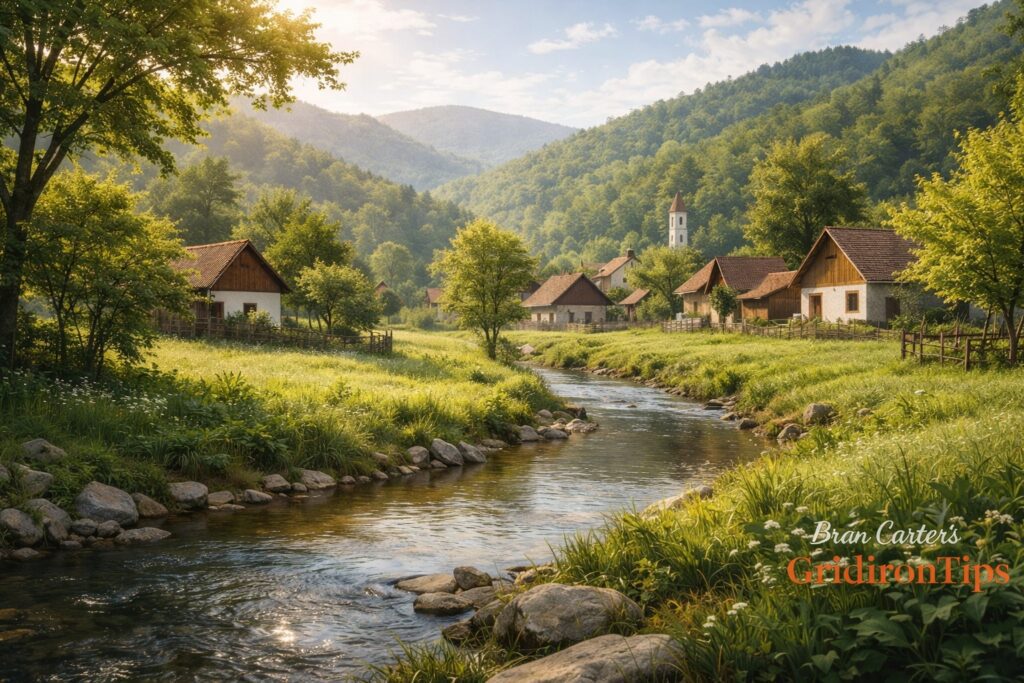
Ракитовица is commonly linked to areas shaped by nature rather than dense development. The name is often connected to regions where water sources, greenery, and fertile land define the landscape. Such locations typically feature rivers, streams, or low lying areas where vegetation thrives naturally, giving the surroundings a calm and grounded character.
This geographical identity directly influences how people live in and around Ракитовица. Daily routines tend to follow natural rhythms instead of rigid schedules. The land supports agriculture, small gardens, and seasonal work that depends on weather and soil conditions. The physical setting creates a sense of openness and space that contrasts strongly with urban environments. For many, this connection to the land is the core reason Ракитовица remains meaningful.
Historical roots and cultural continuity
The history of Ракитовица is not defined by grand events but by continuity. Generations of people have lived in similar conditions, adapting slowly rather than radically. This type of historical development creates stability and a strong sense of identity. Traditions are preserved not through institutions, but through everyday habits, family stories, and local customs.
Homes, paths, and communal spaces often reflect older building styles and practical design choices shaped by the environment. Cultural continuity is visible in how people celebrate seasonal events, care for the land, and maintain social ties. Ракитовица represents a form of history that is lived rather than recorded, making it especially valuable in understanding rural heritage.
The role of nature in shaping daily life
Nature is central to the experience of Ракитовица. The environment influences not only work and movement but also mindset. Life shaped by natural surroundings encourages patience, observation, and respect for balance. Seasonal changes are not background details but active forces that guide planning and activity.
Living close to nature often results in a slower pace of life. Noise levels are lower, air quality is better, and visual surroundings feel less crowded. These factors contribute to physical comfort and mental clarity. For visitors, Ракитовица offers an opportunity to disconnect from constant stimulation and reconnect with simple experiences such as walking, observing landscapes, and enjoying silence. This growing desire for natural spaces adds to the ongoing relevance of Ракитовица.
Social structure and community values
Community life in Ракитовица tends to be built on familiarity and trust. Social relationships are usually long term, and people rely on one another in practical ways. This creates a social structure where cooperation is expected rather than enforced. Daily interactions often carry a personal tone that is less common in larger settlements.
Values such as mutual support, respect for experience, and shared responsibility play an important role. Even as modern influences reach the area, these values continue to shape behavior. For individuals coming from more anonymous urban settings, this sense of community can feel both challenging and deeply rewarding. Ракитовица demonstrates how strong social bonds contribute to resilience and emotional stability.
Modern life and gradual adaptation
Modern life has reached Ракитовица, but not in a way that completely replaces traditional patterns. Technology, communication tools, and access to information have changed how people connect with the outside world. However, these changes often blend into existing lifestyles instead of reshaping them entirely.
Some residents combine traditional work with modern opportunities such as remote employment or small scale services. This allows people to remain in the area while participating in the wider economy. Adaptation in Ракитовица tends to be gradual and selective, preserving what works while adopting what is necessary. This balanced approach helps protect the character of the place while allowing it to function in the present.
Why Ракитовица matters today
Ракитовица remains important because it reflects values that are increasingly rare. Stability, simplicity, and meaningful connection are qualities many people seek as alternatives to fast paced living. In this context, Ракитовица is not outdated but highly relevant.
The growing interest in sustainable lifestyles, rural living, and cultural preservation has brought attention back to places like this. Ракитовица offers an example of how human life can exist in alignment with nature rather than in opposition to it. It also highlights the importance of protecting small communities that carry knowledge, traditions, and perspectives often lost in large scale development.
Economic relevance and practical value
From an economic perspective, Ракитовица represents potential rather than scale. Small scale agriculture, local production, and nature based activities can provide sustainable income without exhausting resources. These economic models focus on quality and long term viability instead of rapid growth.
There is also increasing interest in rural tourism that values authenticity over entertainment. Visitors who seek genuine experiences are often drawn to places like Ракитовица. This creates opportunities for local residents to share their environment and culture while maintaining control over how development occurs. Practical value in this context comes from preservation rather than transformation.
Future outlook for Ракитовица
The future of Ракитовица depends on careful balance. Preserving the natural environment and social fabric must remain a priority while allowing room for necessary improvements. Infrastructure, education access, and connectivity can be developed without altering the core identity of the area.
As more people reconsider what quality of life truly means, Ракитовица may continue to attract interest from those seeking depth rather than speed. Its strength lies in consistency and authenticity. With thoughtful planning and community involvement, Ракитовица can remain a living example of sustainable rural existence rather than a memory of the past.
In conclusion, Ракитовица is more than a keyword or a location name. It represents a way of life shaped by land, history, and human connection. Understanding its significance helps highlight the value of small places in a globalized world. By recognizing what Ракитовица offers, readers gain insight into why such environments deserve attention, respect, and long term care.