





Introduction
Fushi-ou wa Slow Life o Kibou shimasu is a fantasy light novel and manga series that has steadily gained attention among readers who enjoy calm storytelling blended with supernatural elements. Unlike fast paced action driven titles, this series focuses on balance, reflection, and a different approach to power and immortality. This article explores what Fushi-ou wa Slow Life o Kibou shimasu is about, why it resonates with fans of the slow life genre, and how its themes and characters contribute to its growing popularity. You will also find practical insights into its world building, narrative style, and what makes it stand out in the crowded fantasy landscape.
Understanding the Core Concept of Fushi-ou wa Slow Life o Kibou shimasu
At its heart, Fushi-ou wa Slow Life o Kibou shimasu tells the story of a being who has transcended ordinary life and reached a state close to immortality. Instead of seeking domination, revenge, or endless battles, the protagonist chooses a quiet and meaningful existence. This decision immediately sets the tone for the entire narrative and challenges common fantasy tropes.
The story places strong emphasis on the idea that true fulfillment does not always come from power or recognition. The protagonist’s wish for a slow life becomes the driving force behind the plot, influencing every interaction and decision. Readers are invited to explore what it truly means to live when survival and time are no longer concerns.
By framing immortality as a burden rather than a blessing, the series adds emotional depth to its concept. This perspective makes the narrative relatable even within a fantastical setting, as it mirrors real world desires for peace, simplicity, and purpose.
The Appeal of the Slow Life Fantasy Genre
The slow life genre has become increasingly popular among readers who seek comfort and emotional balance in storytelling. Fushi-ou wa Slow Life o Kibou shimasu fits perfectly within this trend by offering a narrative that prioritizes atmosphere and character growth over constant conflict.
Instead of rapid plot twists, the story allows moments to breathe. Daily routines, small achievements, and quiet conversations hold genuine weight. This approach creates a soothing reading experience that contrasts sharply with high tension fantasy stories.
For many readers, the appeal lies in escapism that feels restorative rather than overwhelming. The series invites its audience to slow down alongside the protagonist, encouraging reflection on personal values and life choices. This makes the story especially attractive to readers who are drawn to introspective fantasy worlds.
Character Development and Emotional Depth
One of the strongest aspects of Fushi-ou wa Slow Life wo Kibou shimasu is its character driven narrative. The protagonist is not defined solely by strength or status but by emotional growth and evolving relationships. Each encounter adds subtle layers to their personality.
Supporting characters are introduced thoughtfully and serve clear narrative purposes. Rather than acting as mere companions or obstacles, they reflect different perspectives on life, ambition, and happiness. These interactions help highlight the protagonist’s internal struggles and reinforce the central theme of choosing peace over power.
Emotional depth is conveyed through dialogue and small actions rather than dramatic confrontations. This makes character development feel organic and believable. Readers gradually become invested in the personal journeys of the cast, which enhances the overall impact of the story.
World Building Through Simplicity and Detail
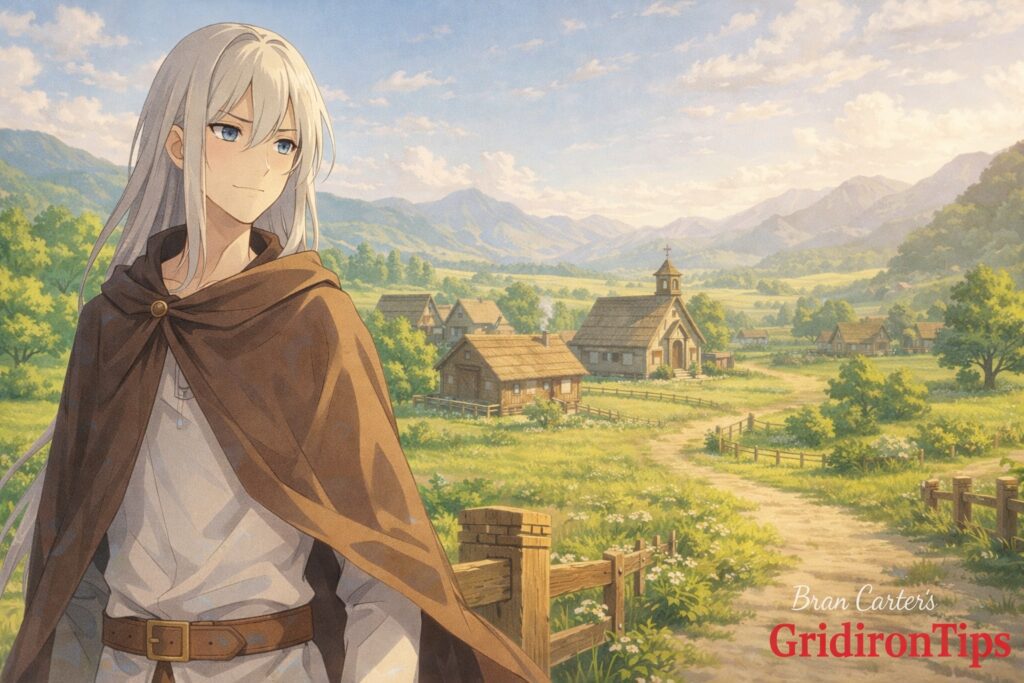
The world of Fushi-ou wa Slow Life wo Kibou shimasu is rich without being overwhelming. Instead of excessive lore dumps, the setting is revealed naturally through everyday experiences. Villages, landscapes, and cultural elements are introduced as the protagonist interacts with the environment.
This grounded approach to world building allows readers to feel immersed without needing constant explanations. Magic and supernatural aspects exist, but they do not overshadow the human elements of the story. The balance between fantasy and realism is carefully maintained.
The setting also reinforces the slow life philosophy. Peaceful environments and routine activities become essential parts of the narrative. This design choice strengthens the connection between the story’s themes and its world, making the experience cohesive and engaging.
Why Fushi-ou wa Slow Life o Kibou shimasu Stands Out
In a genre filled with heroes chasing glory, Fushi-ou wa Slow Life o Kibou shimasu distinguishes itself by redefining success. The protagonist’s rejection of traditional fantasy goals feels refreshing and thought provoking.
The story also avoids unnecessary escalation. Conflicts arise naturally but are resolved through understanding, patience, or strategic withdrawal rather than brute force. This approach aligns with the series’ emphasis on long term well being instead of short term victories.
Another reason the series stands out is its consistency. The narrative remains true to its core message throughout, creating a strong sense of identity. Readers know what to expect, yet the story continues to feel meaningful and rewarding.
Practical Reasons Readers Connect With the Story
Many readers find practical value in the themes presented by Fushi-ou wa Slow Life o Kibou shimasu. The idea of slowing down and prioritizing mental peace resonates strongly in a fast paced world. While the setting is fictional, the lessons feel applicable to real life.
The series encourages readers to question their own definitions of success and happiness. It presents an alternative viewpoint that values stability, relationships, and self awareness. This makes the story more than just entertainment.
For fans of fantasy who prefer thoughtful narratives over constant action, the series offers a satisfying balance. It provides enough intrigue to maintain interest while delivering a calming and reflective experience.
Narrative Style and Pacing
The pacing of Fushi-ou wa Slow Life o Kibou shimasu is deliberate and measured. Scenes are structured to allow emotional moments to land naturally. This pacing supports character development and reinforces the overall tone.
The writing style remains accessible and clear, making it easy for readers to stay engaged. Descriptions are vivid but not excessive, ensuring that the focus remains on the story rather than unnecessary detail.
This careful pacing may not appeal to readers seeking nonstop excitement, but it is ideal for those who appreciate depth and atmosphere. The consistency in tone helps build trust between the story and its audience.
Cultural and Genre Relevance
Within the broader context of light novels and manga, Fushi-ou wa Slow Life wo Kibou shimasu reflects a shift toward more introspective storytelling. It aligns with a growing interest in narratives that explore emotional health and personal fulfillment.
The series also contributes to the evolution of fantasy by showing that powerful characters do not need to dominate the world to be compelling. This perspective broadens the genre and invites new types of stories to emerge.
As more readers seek meaningful and calming content, the relevance of slow life fantasy continues to grow. This positions the series well within modern trends while maintaining its unique voice.
Conclusion
Fushi-ou wa Slow Life o Kibou shimasu offers a thoughtful and emotionally rich take on fantasy storytelling. By focusing on peace, reflection, and personal growth, it creates an experience that feels both comforting and profound. The series stands out through its character development, gentle pacing, and consistent themes. For readers who value depth and tranquility in their stories, this title provides a rewarding journey that lingers long after the final page.