





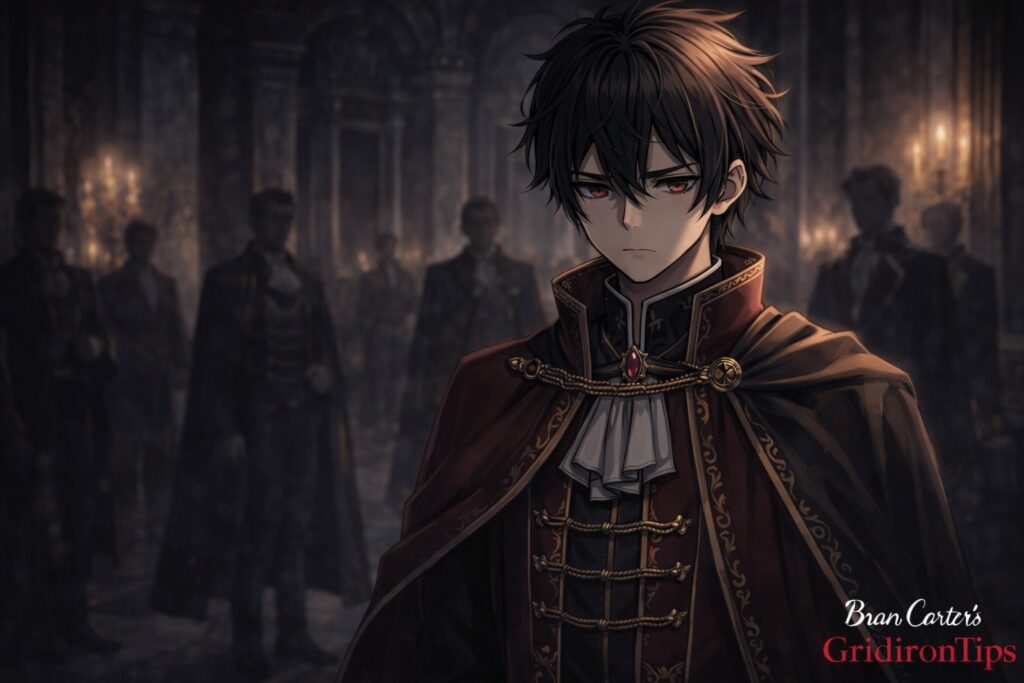
The world of fantasy manga and light novel adaptations continues to expand, and The Incompetent Villainous Prince Wants to Survive Rawkuma has emerged as a title that quietly captures attention through its unconventional premise and character driven storytelling. Rather than focusing on power fantasy or flawless heroes, this story places its narrative weight on survival, self awareness, and slow personal growth. This article explores what the series is about, how it approaches the villainous prince concept, why it resonates with modern readers, and what makes the Rawkuma release especially appealing for fans who enjoy thoughtful isekai and political fantasy narratives.
A Closer Look at the Story’s Core Premise
At its heart, The Incompetent Villainous Prince Wants to Survive Rawkuma revolves around a protagonist who is painfully aware of his own weaknesses. Unlike the typical villainous prince portrayed as cruel or overwhelmingly powerful, this character is labeled incompetent by both his peers and the political system around him. His position in the royal hierarchy places him in constant danger, not because of heroic battles, but due to court intrigue, succession politics, and the quiet threat of being eliminated.
The survival angle defines the tone of the story. The prince does not seek conquest or domination. Instead, his primary motivation is staying alive in a world where mistakes carry fatal consequences. This grounded objective allows the narrative to focus on planning, emotional restraint, and strategic thinking rather than flashy action scenes. Readers are drawn into a realistic struggle where intellect and caution matter more than raw strength.
How the Villainous Prince Concept Is Reimagined
Villainous protagonist stories have become popular, but many follow predictable patterns where the so called villain quickly becomes overpowered. This series takes a different approach by committing fully to the idea of incompetence, at least in conventional terms. The prince lacks physical prowess, magical dominance, and political charisma. What he does possess is awareness.
This self awareness changes everything. Instead of denying his limitations, the prince studies them carefully. He learns when to speak, when to remain silent, and when to withdraw. His survival depends on reading people accurately and understanding how power truly operates within the royal court. This reimagining of the villainous prince archetype makes the story feel fresh and believable.
Rather than a redemption arc driven by moral superiority, the narrative offers a pragmatic journey. The protagonist does not suddenly become righteous or heroic. He becomes careful, adaptive, and quietly resilient. This subtle transformation keeps the tension high and avoids the exaggerated growth that often breaks immersion in similar series.
Character Development Through Fear and Strategy
One of the strongest elements of The Incompetent Villainous Prince Wants to Survive Rawkuma is how character development is handled. Growth is not presented as sudden enlightenment or dramatic power ups. It emerges through repeated exposure to danger, humiliation, and uncertainty.
Fear plays a central role. The prince is not fearless, and the story does not glorify recklessness. His fear feels human and rational. Each political meeting, alliance, or family interaction carries risk. This constant pressure forces him to think ahead and evaluate long term consequences.
Supporting characters are equally important. Nobles, siblings, and advisors are not simple background figures. Each has personal motives and shifting loyalties. Interactions are layered with subtext, making conversations as impactful as confrontations. Over time, readers witness the prince slowly gaining influence, not by commanding respect, but by avoiding disaster.
Why the Rawkuma Version Attracts So Much Attention
Rawkuma releases have become a popular choice for readers who want early access to manga chapters and adaptations. The Rawkuma version of this story is particularly appealing because it preserves the pacing and emotional nuance of the original narrative. Scenes are allowed to breathe, giving readers time to absorb the psychological tension that defines the series.
For many fans, Rawkuma serves as a gateway to discovering unique titles that might otherwise go unnoticed. In this case, The Incompetent Villainous Prince Wants to Survive Rawkuma benefits from that exposure. The story does not rely on shock value or exaggerated drama, which makes its steady release style a good match for readers who prefer consistent quality over instant gratification.
The translation tone commonly associated with Rawkuma also helps maintain clarity. Political dialogue and internal monologues are easier to follow, which is critical for a story built around subtle decisions and mental calculations.
Themes of Survival, Power, and Quiet Resistance
Beyond its plot, the series explores themes that feel increasingly relevant. Survival is portrayed not as a heroic quest but as a daily negotiation with power structures. The prince exists within a system designed to discard him, and his resistance is subtle rather than confrontational.
Power is shown as something distributed unevenly and often unfairly. Those who hold it are not necessarily competent or just. This perspective adds realism and depth to the fantasy setting. The story suggests that intelligence alone is not enough. Timing, restraint, and understanding social dynamics are equally important.
Another notable theme is quiet resistance. The prince does not overthrow the system or challenge it openly. His survival itself becomes a form of defiance. By refusing to collapse under expectations of failure, he reshapes his fate in small but meaningful ways. This understated approach resonates with readers who appreciate nuanced storytelling over dramatic rebellion.
What Makes This Series Worth Reading
For readers deciding whether to invest time in The Incompetent Villainous Prince Wants to Survive Rawkuma, its greatest strength lies in its consistency. The story knows what it wants to be and does not chase trends unnecessarily. It offers a thoughtful exploration of vulnerability within a hostile environment.
The pacing supports immersion rather than spectacle. Each chapter contributes to the larger narrative without filler or forced twists. The focus on internal conflict makes the reading experience reflective, encouraging readers to think alongside the protagonist rather than simply observe his actions.
This series is especially suitable for fans of political fantasy, psychological character studies, and villain centered narratives that prioritize realism. It rewards patience and attention, making it a strong choice for readers seeking depth rather than instant payoff.
A Natural Closing Reflection
The Incompetent Villainous Prince Wants to Survive Rawkuma stands out because it embraces restraint. By rejecting the usual power fantasy formula, it delivers a story rooted in survival, intelligence, and emotional realism. The prince’s journey feels earned, his fears feel genuine, and his small victories carry weight.
For readers who enjoy stories where survival itself is the ultimate triumph, this series offers a compelling and quietly gripping experience. Its focus on human limitations within a fantasy framework gives it lasting appeal, making it a title that lingers in the mind long after the chapter ends.