





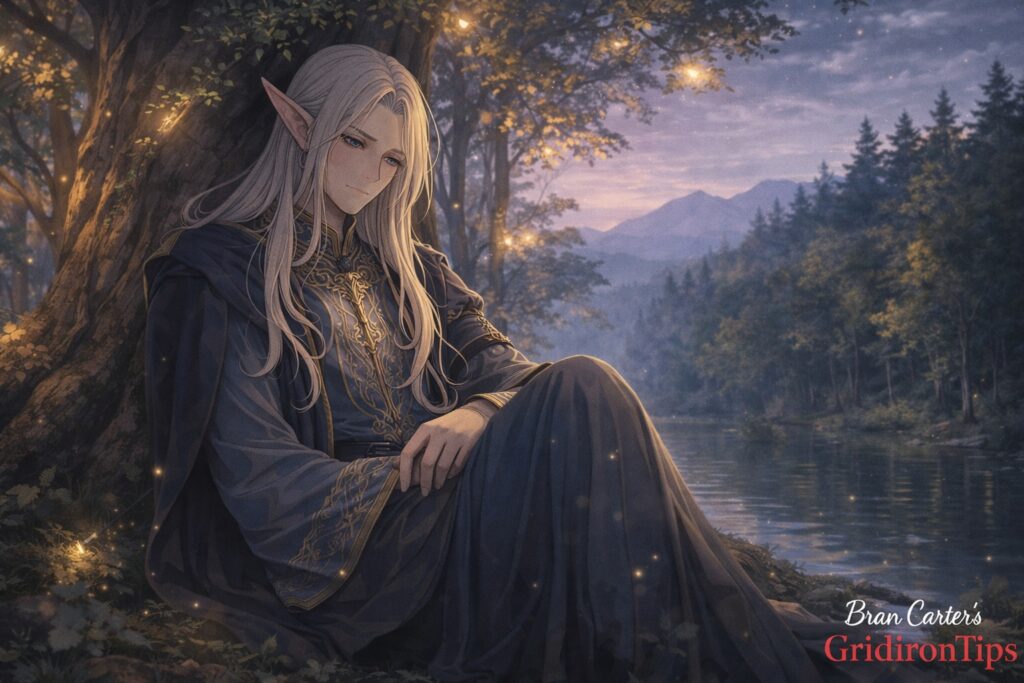
Growing Tired of the Lazy High-Elf Life After 120 Years is a fantasy narrative that blends long-lived perspectives, quiet dissatisfaction, and gradual personal change into a reflective story experience. Rather than focusing on constant action or high-stakes conflict, the story explores what happens when an immortal or near-immortal character begins to feel worn down by a life of comfort and repetition. This article examines what Growing Tired of the Lazy High-Elf Life After 120 Years is about, why it stands out in its genre, the themes that give it depth, and why it resonates with readers who enjoy thoughtful fantasy storytelling. By the end, readers will have a clear understanding of the story’s appeal and what makes it worth exploring.
Understanding the Core Idea of Growing Tired of the Lazy High-Elf Life After 120 Years
At its heart, Growing Tired of the Lazy High-Elf Life After 120 Years centers on a high-elf protagonist who has lived for more than a century in relative ease. High-elves in fantasy are often portrayed as elegant, powerful, and detached from the rush of human life. This story uses that familiar image but shifts the focus inward. Instead of glory or warfare, it examines boredom, emotional stagnation, and the slow realization that endless leisure can become its own burden.
The passage of 120 years is not treated as a dramatic milestone but as a quiet accumulation of days that all feel the same. This perspective sets the tone for the narrative. Time moves differently for elves, and the story reflects that by pacing itself deliberately. The protagonist’s growing fatigue does not come from trauma or tragedy but from monotony, which makes the premise relatable despite its fantasy setting.
Life Beyond a Century and Its Emotional Impact
The protagonist of Growing Tired of the Lazy High-Elf Life After 120 Years is shaped by longevity. Living for over a century allows for mastery of skills, comfort in routine, and emotional distance from short-lived races. However, the story emphasizes that these advantages also create emotional dullness. When nothing feels urgent, motivation slowly fades.
This internal struggle is portrayed with restraint. The high-elf is not portrayed as dramatic or desperate. Instead, there is a calm dissatisfaction that builds over time. The character begins to question whether a life without challenge can truly be fulfilling. This introspection gives the protagonist depth and separates the story from fantasy tales that rely solely on external conflict.
The high-elf’s perspective also highlights how immortality can complicate identity. When one outlives trends, friendships, and even cultures, it becomes difficult to define purpose. Growing Tired of the Lazy High-Elf Life After 120 Years explores this idea subtly, using everyday moments to show how the protagonist’s mindset shifts.
A Story That Moves Through Reflection Instead of Action
Many fantasy stories revolve around wars, monsters, or political power struggles. Growing Tired of the Lazy High-Elf Life After 120 Years takes a different approach. The central tension comes from internal change rather than external danger. The question driving the story is not how to defeat an enemy but how to escape emotional stagnation.
This focus allows the narrative to feel grounded and reflective. Small decisions carry weight because they represent a break from routine. When the protagonist considers leaving their comfortable life or engaging with the wider world again, it feels significant despite the lack of immediate danger.
This approach appeals to readers who enjoy slow-burn storytelling. Instead of constant escalation, the story builds meaning through character growth. The fantasy setting provides atmosphere, but the emotional journey remains the core focus.
Themes of Boredom, Purpose, and Personal Awakening
One of the strongest aspects of Growing Tired of the Lazy High-Elf Life After 120 Years is its exploration of boredom as a serious emotional state. Boredom here is not simple idleness but a deep sense of disconnection. When life offers no resistance, even pleasure loses its impact.
Purpose is another central theme. The protagonist begins to realize that comfort alone does not create fulfillment. This realization mirrors real-life experiences, making the story resonate beyond its fantasy context. Readers may recognize the feeling of going through motions without clear direction, even if their lives are far shorter than 120 years.
Personal awakening in the story is gradual. There is no single moment of transformation. Instead, awareness builds through reflection and observation. This realistic portrayal of change adds credibility to the character’s development and makes the story feel emotionally honest.
Why This High-Elf Journey Feels Meaningful to Readers
The appeal of Growing Tired of the Lazy High-Elf Life After 120 Years lies in its relatability. While the protagonist is an elf with an extended lifespan, the emotional challenges feel human. Many readers connect with the idea of feeling stuck, even in comfortable circumstances.
The story also appeals to fans of fantasy who prefer atmosphere and introspection over constant action. Its calm tone allows readers to immerse themselves in the setting and the character’s thoughts. This makes it particularly attractive to those who enjoy slow-life fantasy or reflective narratives.
Another reason for its popularity is its contrast with common genre expectations. High-elves are often portrayed as wise and content, but this story questions that assumption. By showing a high-elf struggling with dissatisfaction, it adds nuance to a familiar fantasy archetype.
Worldbuilding and Setting as a Subtle Narrative Tool
Although character development takes center stage, the worldbuilding in Growing Tired of the Lazy High-Elf Life After 120 Years plays an important supporting role. The environment reflects the protagonist’s state of mind. Peaceful surroundings and stable routines emphasize the lack of urgency in the high-elf’s life.
The setting is not overly detailed, but it is consistent. This restraint helps keep the focus on the character rather than distracting subplots. The world feels lived-in, which reinforces the sense of long time passing without major change.
Interactions with other characters, whether elves or shorter-lived races, further highlight the protagonist’s internal conflict. These moments show how different perspectives on time and ambition can create subtle tension without overt conflict.
Practical Reasons to Read Growing Tired of the Lazy High-Elf Life After 120 Years
Readers looking for a fantasy story that offers more than escapism will find value in Growing Tired of the Lazy High-Elf Life After 120 Years. The narrative encourages reflection on personal growth, purpose, and the cost of complacency. These themes make the story useful not only as entertainment but also as a source of quiet insight.
The story’s pacing makes it suitable for readers who prefer a calm reading experience. It does not demand constant attention to complex plots or power systems. Instead, it rewards patience and emotional engagement.
For fans of character-driven fantasy, the story provides a thoughtful examination of a long-lived protagonist facing a universal problem. This balance of fantasy elements and realistic emotion is what gives the story lasting appeal.
A Thoughtful Closing on the Meaning of the Story
Growing Tired of the Lazy High-Elf Life After 120 Years stands out as a fantasy narrative that values introspection over spectacle. By focusing on a high-elf who begins to question a life of endless comfort, the story explores themes that feel both timeless and personal. Its strength lies in its subtlety, allowing readers to reflect alongside the protagonist rather than observe from a distance.
The story reminds readers that comfort without purpose can become empty, regardless of lifespan. Through its calm tone and emotional honesty, Growing Tired of the Lazy High-Elf Life After 120 Years offers a meaningful experience for anyone interested in fantasy stories that prioritize inner change and thoughtful storytelling.